
Many experience upper back discomfort, often overlooked compared to lower back pain. Targeting the thoracic spine—the upper and middle back—is crucial for overall well-being.
What is the Thoracic Spine?
The thoracic spine comprises the twelve vertebrae between the cervical and lumbar sections of your spine. Uniquely, these vertebrae connect to your rib cage, providing stability and protecting vital organs. Unlike the more mobile lower back, the thoracic spine has limited range of motion, making it susceptible to stiffness.
Prolonged static postures, like sitting at a desk, significantly impact this area. This section of the spine naturally curves slightly outward; however, modern lifestyles often lead to a rounded upper back, contributing to discomfort and postural imbalances. Understanding its structure and function is key to implementing effective stretches and maintaining spinal health.
Why Focus on Thoracic Spine Mobility?
Maintaining thoracic spine mobility is vital for overall health and posture. Stiffness in this area can restrict movement, leading to compensation in the neck and lower back, potentially causing pain. Many spend hours hunched over computers or phones, exacerbating this issue.
Improved thoracic mobility enhances breathing mechanics and reduces upper back discomfort. Addressing stiffness allows for better posture, reducing strain on surrounding muscles and joints. Prioritizing stretches for this region can counteract the negative effects of sedentary lifestyles and promote a healthier, more balanced spine. It’s a proactive step towards long-term well-being.

Common Causes of Thoracic Spine Stiffness
Prolonged sitting, poor posture, and desk jobs significantly contribute to thoracic spine stiffness, alongside conditions like scoliosis, impacting spinal curvature and flexibility.
Prolonged Sitting & Poor Posture
Modern lifestyles often involve extended periods of sitting, whether at a computer, while commuting, or relaxing at home. This sustained posture can lead to significant stiffness in the thoracic spine. When we sit for long durations, the muscles supporting the spine become lengthened and weakened, while opposing muscles shorten and tighten.
Poor posture exacerbates this issue, particularly slouching or hunching forward. This position places increased stress on the upper back and can contribute to muscle imbalances. Over time, these imbalances restrict the natural range of motion in the thoracic spine, leading to discomfort and pain. Counteracting these effects requires conscious effort to maintain good posture and incorporate regular movement and stretching into daily routines.
Impact of Desk Jobs
Desk jobs present a unique challenge to thoracic spine health, demanding prolonged static postures. Hours spent hunched over keyboards and screens contribute significantly to upper back pain and stiffness. The repetitive nature of these tasks often reinforces poor postural habits, leading to muscle imbalances and reduced spinal mobility.
This constant forward flexion compresses the discs in the thoracic spine and strains the surrounding muscles. Furthermore, limited movement throughout the workday prevents adequate blood flow and nutrient delivery to spinal tissues. Addressing these issues requires proactive measures, such as ergonomic workstation setup and regular thoracic spine stretches to counteract the detrimental effects of a sedentary desk job.
Scoliosis and Thoracic Spine
Scoliosis, a sideways curvature of the spine, frequently impacts the thoracic region, causing asymmetry and potentially leading to pain and reduced function. The condition can involve rotation of the vertebrae, affecting the rib cage and contributing to breathing difficulties. While scoliosis requires comprehensive medical management, specific stretches can play a supportive role.
These stretches aim to improve spinal mobility, strengthen core muscles, and address muscle imbalances caused by the curvature. However, it’s crucial to note that stretches for scoliosis should be tailored to the individual’s specific curve pattern and performed under the guidance of a qualified healthcare professional, like a physical therapist, to avoid exacerbating the condition.

Benefits of Thoracic Spine Stretches
Regular stretching alleviates upper back pain, improves posture by counteracting slouching, and expands your range of motion, enhancing daily activities and overall comfort.
Pain Relief
Thoracic spine stretches are exceptionally effective in diminishing upper and middle back pain, a common ailment stemming from prolonged sitting and poor posture. These stretches work by releasing tension in the muscles surrounding the spine, specifically targeting areas prone to tightness like the rhomboids and trapezius.
By increasing flexibility and mobility in the thoracic region, stretches alleviate pressure on nerves and reduce muscle spasms, contributing to significant pain reduction. Consistent practice can break the cycle of discomfort, preventing chronic pain from developing. Addressing tightness in the upper back also indirectly eases tension headaches and improves breathing mechanics, further enhancing pain relief and overall well-being.
Improved Posture
Regular thoracic spine stretching actively combats the detrimental effects of modern lifestyles, particularly prolonged sitting and excessive screen time, which often lead to rounded shoulders and a forward head posture. These stretches help to realign the spine, strengthening the muscles responsible for maintaining an upright position.
By increasing thoracic mobility, individuals can naturally improve their posture, reducing strain on the neck and lower back. Correcting postural imbalances not only enhances physical appearance but also boosts confidence and reduces the risk of long-term musculoskeletal issues. Improved posture facilitates better breathing and overall body mechanics, promoting a healthier and more balanced physique.
Increased Range of Motion
A stiff thoracic spine significantly restricts movement and can limit performance in daily activities and exercise. Targeted stretches work to restore the natural curvature of the upper back, unlocking greater flexibility and a wider range of motion. This improved mobility allows for more efficient and pain-free movement throughout the entire body.
Enhanced thoracic rotation and extension contribute to better biomechanics, reducing compensatory movements that can strain other joints. Increased range of motion isn’t just about physical capability; it also promotes a feeling of freedom and ease, improving overall quality of life and athletic performance.
Warm-up Exercises Before Stretching
Preparing muscles is vital before stretching. Gentle movements like spinal twists and shoulder rolls increase blood flow and readiness for deeper stretches.
Gentle Spinal Twists

Begin seated or standing with feet shoulder-width apart. Slowly rotate your upper body to one side, keeping your hips facing forward. Use your hands to gently deepen the twist, supporting your lower back.
Hold the twist for 15-30 seconds, breathing deeply and allowing the rotation to ease tension in the thoracic spine. Repeat on the opposite side.
Avoid forcing the twist; focus on a comfortable range of motion. These twists help mobilize the vertebrae and improve rotational flexibility. They are a fantastic way to prepare the spine for more extensive stretching routines, increasing blood flow and loosening up the muscles before deeper work.
Remember to maintain a relaxed posture throughout the exercise.
Shoulder Rolls
Start by sitting or standing with a relaxed posture, arms at your sides. Gently begin rolling your shoulders forward in a circular motion. Focus on creating a full range of motion, feeling the stretch in your upper back and shoulders.
Perform 10-15 forward rolls, then reverse the direction and roll your shoulders backward for another 10-15 repetitions.
This simple exercise helps to loosen the muscles surrounding the thoracic spine, improving posture and reducing tension. Shoulder rolls enhance mobility and prepare the upper body for more targeted stretches. They are a great way to counteract the effects of prolonged sitting and hunching over a desk.
Breathe deeply throughout the exercise.

Effective Thoracic Spine Stretches
Numerous stretches can improve thoracic mobility and alleviate discomfort. These exercises target stiffness, promoting better posture and a wider range of motion.
Cat-Cow Stretch
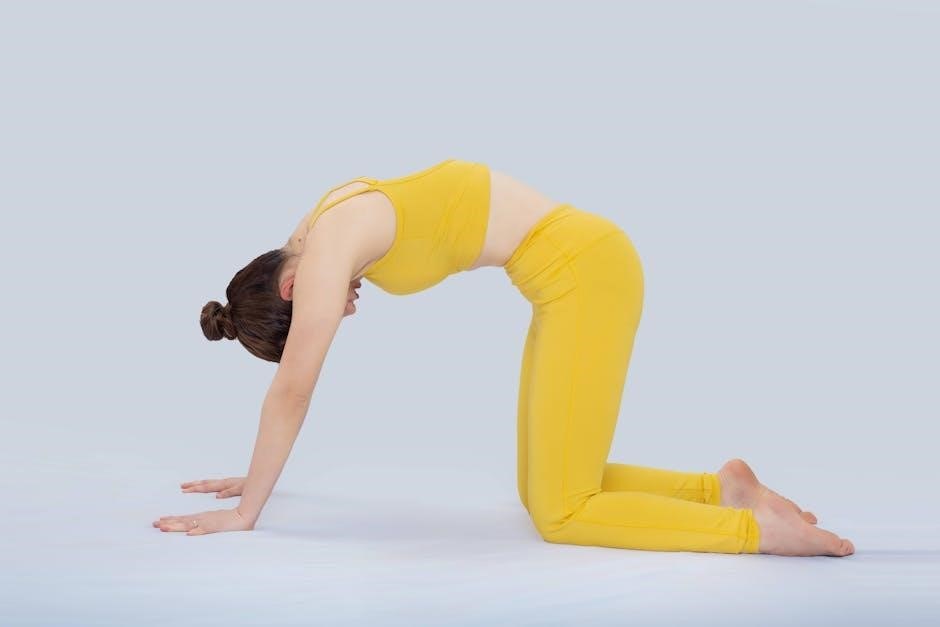
The Cat-Cow stretch is a gentle, flowing movement that enhances spinal mobility. Begin on your hands and knees, ensuring your wrists are under your shoulders and knees under your hips. Inhale as you drop your belly towards the floor, arching your back and lifting your head and tailbone – this is the Cow pose.
Exhale as you round your spine towards the ceiling, tucking your chin to your chest and drawing your belly button in – this is the Cat pose. Continue alternating between these two poses, synchronizing your breath with the movement. Focus on moving each vertebra individually, creating a wave-like motion through your thoracic spine. Repeat for 10-15 repetitions, noticing any sensations of release or increased flexibility.
Thread the Needle Stretch
The Thread the Needle stretch is excellent for improving thoracic spine rotation and relieving upper back tension. Start on your hands and knees, maintaining a neutral spine. Inhale deeply, then exhale as you thread your right arm under your left arm, bringing your right shoulder and ear towards the floor.
Extend your left arm overhead or wrap it around your waist for a deeper stretch. Hold this position for 20-30 seconds, breathing deeply and allowing your thoracic spine to rotate. Repeat on the other side, threading your left arm under your right. This stretch targets the muscles between the shoulder blades, promoting flexibility and reducing stiffness.
Open Book Stretch
The Open Book stretch is a gentle yet effective way to enhance thoracic spine mobility and counteract the effects of prolonged sitting. Lie on your side with your knees bent and arms extended forward, stacked on top of each other. Keeping your lower body stable, slowly open your top arm towards the ceiling and then rotate your torso, bringing your top hand towards the floor on the opposite side.
Follow your hand with your gaze, encouraging a deeper stretch. Hold for 20-30 seconds, then return to the starting position and repeat on the other side. This movement mimics opening a book, hence the name, and improves rotation in the upper back.
Foam Roller Thoracic Extension
Utilizing a foam roller for thoracic extension is a fantastic self-mobilization technique. Lie on your back with the foam roller positioned horizontally across your upper back, just below your shoulder blades. Support your head with your hands, keeping your knees bent and feet flat on the floor.
Gently roll up and down, allowing your upper back to extend over the roller. Avoid rolling directly on your lower back. Focus on slow, controlled movements, pausing on any tender spots for 20-30 seconds. This helps release tension and improve flexibility in the thoracic spine, counteracting slouching.
Seated Thoracic Rotation
Seated thoracic rotation is an effective stretch to improve spinal mobility and counteract the effects of prolonged sitting. Sit upright in a chair with your feet flat on the floor. Gently twist your torso to one side, keeping your hips facing forward.
You can use the back of the chair for gentle leverage, but avoid pulling forcefully. Hold the twisted position for 20-30 seconds, breathing deeply. Repeat on the other side. This stretch targets the muscles of the thoracic spine, promoting flexibility and reducing stiffness, especially beneficial for desk workers.
Standing Thoracic Extension
Standing thoracic extension is a simple yet powerful stretch to counteract slouching and improve upper back posture. Stand with your feet shoulder-width apart and clasp your hands behind your head, elbows out. Gently lean backward, arching your upper back while keeping your core engaged.
Focus on opening up your chest and feeling a stretch in your thoracic spine. Avoid overextending or forcing the movement. Hold the extended position for 15-20 seconds, breathing deeply. Repeat 10-15 times. This stretch is excellent for those who spend long hours hunched over a computer.
Wall Angels
Wall Angels are fantastic for improving posture and strengthening the muscles that support the thoracic spine. Stand with your back against a wall, feet slightly away from the wall, and knees bent. Press your lower back into the wall, and bring your arms up, bending your elbows at 90 degrees, with your upper arms and hands also against the wall.
Slowly slide your arms up and down the wall, maintaining contact with the wall throughout the movement. This can be challenging! Focus on keeping your core engaged and avoiding arching your lower back. Repeat 10-15 times, breathing deeply.
Stretches for Specific Issues
Targeted stretches address common problems like rounded shoulders, upper back pain, and the effects of prolonged hunching, improving spinal health and comfort.
Stretches for Rounded Shoulders
Rounded shoulders often stem from prolonged sitting and poor posture, creating tightness in the chest and upper back. To counteract this, focus on stretches that open the chest and pull the shoulders back. The Open Book Stretch is excellent; lie on your side with knees bent, then slowly open your arms like a book, keeping your shoulders down.
Wall Angels are also beneficial: stand with your back against a wall, arms bent at 90 degrees, and slide your arms up and down while maintaining contact with the wall. Thread the Needle Stretch gently rotates the thoracic spine, relieving tension. Consistent practice of these stretches can help restore proper alignment and alleviate discomfort associated with rounded shoulders, promoting better posture and overall spinal health.
Stretches for Upper Back Pain
Upper back pain, frequently linked to desk jobs and sedentary lifestyles, responds well to targeted stretches. The Cat-Cow Stretch gently mobilizes the entire spine, easing tension. Begin on your hands and knees, arching your back like a cat, then dropping your belly towards the floor.
Seated Thoracic Rotation, performed by twisting your upper body while seated, improves spinal mobility. Foam Roller Thoracic Extension can also provide relief; lie with the foam roller under your upper back and gently extend backward. Remember to listen to your body and avoid pushing through pain. These stretches aim to release muscle tightness and restore healthy movement in the thoracic spine, reducing discomfort and improving function.
Stretches to Counteract Hunching
Prolonged sitting and poor posture contribute significantly to a hunched back, impacting the thoracic spine. Wall Angels are excellent for correcting this; stand with your back against a wall, arms bent at 90 degrees, and slide your arms up and down while maintaining contact with the wall.
The Open Book Stretch gently opens the chest and improves thoracic spine mobility. Lie on your side with knees bent, then slowly open your arms forward while keeping your hips stacked. Standing Thoracic Extension, involving gentle backward bends, can also help. Consistent practice of these stretches counteracts the forward slump, promoting better posture and reducing strain on the upper back.

Integrating Stretches into Your Routine
Regularity is key; aim for daily thoracic stretches. Listen to your body, avoiding pain, and gradually increase duration for optimal benefits and lasting relief.
Frequency and Duration
Consistency is paramount when incorporating thoracic spine stretches into your wellness plan. Ideally, aim to perform these stretches daily, or at least 3-5 times per week, to maintain mobility and alleviate stiffness. Short, frequent sessions are often more effective than infrequent, lengthy ones.
Each stretch should be held for approximately 20-30 seconds, allowing the muscles to gradually lengthen and release tension. Repeat each stretch 2-3 times on each side of the body. Don’t rush the process; focus on controlled movements and deep breathing throughout.
As your flexibility improves, you can gradually increase the hold time or the number of repetitions. However, always prioritize proper form over pushing yourself too hard, too soon. Remember, the goal is to improve mobility and reduce pain, not to cause further discomfort.
Listen to Your Body
Paying attention to your body’s signals is absolutely essential during any stretching routine, particularly when addressing thoracic spine stiffness. Discomfort is normal, but sharp or intense pain is a clear indication to stop immediately. Never push yourself beyond your current range of motion.
Everyone’s flexibility and pain tolerance are different, so modify stretches as needed. If a particular stretch exacerbates your symptoms, explore alternative options or reduce the intensity. Focus on gentle, controlled movements, and avoid bouncing or jerking, which can lead to injury.
Respect your body’s limitations and remember that progress takes time. Be patient with yourself, and celebrate small improvements along the way. Prioritize comfort and safety above all else.
Resources for PDF Guides
Numerous online resources offer thoracic spine stretch PDFs, providing detailed instructions and illustrations for effective routines to improve posture and relieve pain.
Finding Reputable Sources for Thoracic Spine Stretch PDFs
Locating trustworthy PDF guides for thoracic spine stretches requires careful consideration. Prioritize sources from qualified healthcare professionals, such as physical therapists or chiropractors, and established medical institutions. Websites affiliated with hospitals, universities, or recognized physiotherapy associations are generally reliable.
Be cautious of PDFs from unknown sources or those promoting unverified claims. Look for guides that clearly state the author’s credentials and provide evidence-based exercises. Reputable PDFs will often include disclaimers advising consultation with a healthcare provider before starting any new exercise program.
Consider searching professional organization websites; many offer downloadable resources. Always cross-reference information with other trusted sources to ensure accuracy and safety.
What to Look for in a PDF Guide
A comprehensive thoracic spine stretch PDF should offer clear, concise instructions with accompanying illustrations or videos. The guide must detail proper form to prevent injury and maximize effectiveness. Look for a progression of exercises, starting with gentle stretches and gradually increasing in intensity.
Essential elements include modifications for different fitness levels and specific conditions, like scoliosis or rounded shoulders. A good PDF will emphasize the importance of listening to your body and avoiding overstretching.
It should also explain the benefits of each stretch and potential contraindications, ensuring safe and informed practice. Prioritize guides that encourage consulting a healthcare professional before beginning any new routine.
Precautions and When to Seek Professional Help
Avoid pushing beyond your limits and stop if you feel sharp pain. Consult a doctor or physical therapist for persistent issues or before starting new exercises.
Avoiding Overstretching
It’s essential to approach thoracic spine stretches with mindful awareness, prioritizing gentle movements over aggressive pushing. Overstretching can lead to muscle strains, ligament sprains, or even exacerbate existing conditions. Begin each stretch slowly, focusing on feeling a mild tension rather than intense pain.
Listen attentively to your body’s signals; discomfort is acceptable, but sharp, shooting, or radiating pain indicates you’ve gone too far. Maintain controlled breathing throughout each stretch, as this helps to relax the muscles and improve flexibility. Avoid bouncing or jerky movements, opting instead for smooth, sustained holds.
Remember, consistency is key – regular, gentle stretching is far more beneficial than infrequent, forceful attempts. If you’re unsure about proper form, seeking guidance from a qualified healthcare professional is always recommended.
Consulting a Doctor or Physical Therapist
Before initiating any new stretching routine, especially if you have pre-existing conditions, consulting a healthcare professional is paramount. This is particularly crucial if you experience persistent or severe back pain, neurological symptoms like numbness or weakness, or a history of spinal issues like scoliosis.
A doctor can accurately diagnose the cause of your discomfort and rule out any underlying medical conditions requiring specific treatment. A physical therapist can then develop a personalized stretching program tailored to your individual needs and limitations.
They can also provide proper form guidance, ensuring you perform stretches safely and effectively, minimizing the risk of injury. Don’t hesitate to seek professional help – it’s an investment in your long-term spinal health and well-being.
Leave a Reply
You must be logged in to post a comment.