
Mountain Bike Frame Size Selection
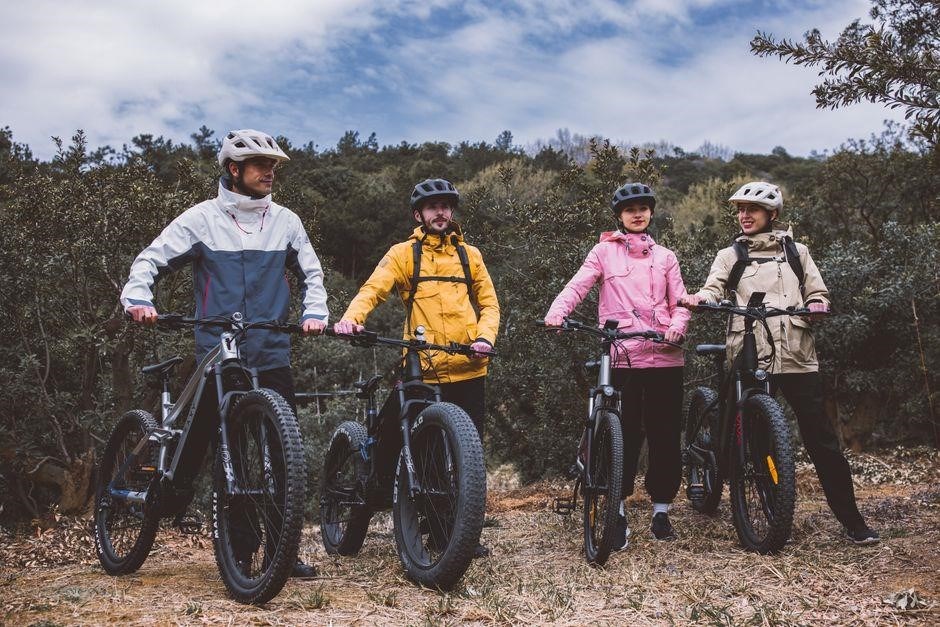
For riders 55‑58 in‚ a 16‑17 in frame offers optimal reach and standover. Taller riders (59‑62 in) should consider 18‑19 in frames‚ while 63‑66 in and 67‑70 in groups benefit from 20‑21 in frames. Adjust seat height‚ handlebar reach‚ for comfort to power. 3‑4 in stem and 73° seat tube angle. for fun now
Height-to-Frame Size Chart for 2026 Riders (55-58 inches)
For riders whose inseam falls between 55 and 58 inches‚ the most reliable frame dimensions fall within the 16‑17 inch range. This size range aligns the standover height with the rider’s leg length‚ ensuring a comfortable reach to the handlebars while maintaining optimal geometry for trail control. The 16‑17 inch frames are typically offered in both 1‑1/8‑inch and 1‑1/4‑inch fork offset options‚ allowing fine‑tuning of the top‑tube angle and seat‑post position. When selecting a frame‚ consider the following key metrics:
- Standover clearance – Aim for at least 2 inches of space between the top tube and the rider’s crotch for dismounts.
- Seat tube angle – A 73° angle places the seat slightly forward‚ improving power transfer during climbs.
- Top‑tube length – For 55‑58 inch riders‚ a 20‑21 inch top tube keeps the reach within 12‑14 inches‚ preventing over‑extension.
- Wheel size compatibility – Pair the frame with 26‑inch wheels for a nimble feel‚ or 27.5‑inch wheels if you prefer a slightly larger profile without sacrificing maneuverability.
- Handlebar width – 700‑mm to 750‑mm widths accommodate most hand spans in this height bracket.
By matching the frame’s geometry to your inseam and preferred riding style‚ you’ll achieve a balanced stance that supports both endurance rides and technical descents. Always test ride a few models within this size range before finalizing your purchase.
Frame Recommendation for 59-62 inches
Riders measuring 59‑62 inches in height typically find the 18‑19 inch frame range to be the most ergonomically sound choice. This size offers a balanced standover clearance of 2.5‑3 inches‚ which is ideal for quick dismounts on technical terrain. The 18‑19 inch frames are available in both 1‑1/8‑inch and 1‑1/4‑inch fork offset‚ allowing riders to fine‑tune the top‑tube angle and seat‑post position for maximum power transfer.
Key geometry features for this height bracket include:
- Seat tube angle: 73° to 74°‚ placing the seat slightly forward for efficient climbing.
- Top‑tube length: 21‑22 inches‚ keeping the reach within 13‑15 inches to avoid over‑extension.
- Handlebar width: 700‑mm to 750‑mm‚ which accommodates most hand spans without compromising control.
- Wheel size compatibility: 26‑inch wheels for agile handling or 27.5‑inch wheels for a smoother roll on rough trails.
- Standover height: 2.5‑3 inches‚ ensuring safe and quick dismounts.
When selecting a frame‚ consider the rider’s inseam‚ torso length‚ and preferred riding style. A slightly larger frame may be beneficial for aggressive downhill riding‚ while a smaller frame can enhance maneuverability on tight single‑track sections. Always test ride a few models within the 18‑19 inch range to confirm the fit before making a final decision.
In addition‚ frame materials such as aluminum‚ carbon‚ or steel can affect weight and stiffness. Aluminum frames are lightweight and affordable‚ carbon offers superior vibration damping‚ and steel provides a classic feel with excellent durability. Riders should also evaluate the head tube angle and chainstay length‚ as these influence handling characteristics. A slacker head tube angle improves stability at speed‚ while a shorter chainstay enhances agility. Ultimately‚ the best frame is one that feels natural under the rider’s weight and aligns with their training goals.
Frame Recommendation for 63-66 inches
Riders between 63 and 66 inches benefit most from 20‑21 inch frames. This size delivers a standover clearance of 3‑3.5 inches‚ allowing quick dismounts on steep descents. The 20‑21 inch geometry typically features a 73° seat tube angle‚ a 22‑23 inch top tube‚ and a 700‑mm to 750‑mm handlebar width‚ keeping the rider’s reach comfortable while preserving power transfer.

Key attributes for this height group include:
- Seat tube angle: 73°–74°‚ positioning the seat slightly forward for efficient climbing.
- Top‑tube length: 22‑23 inches‚ providing a balanced reach of 14‑16 inches.
- Standover height: 3‑3.5 inches‚ ensuring safe dismounts on technical sections.
- Wheel size compatibility: 27.5‑inch wheels for a smoother roll on rough trails‚ with 29‑inch wheels suitable for riders who prefer a larger rolling radius.
- Material options: aluminum for lightness‚ carbon for stiffness and vibration damping‚ or steel for classic durability.
When choosing a frame‚ consider inseam length‚ torso proportion‚ and riding style. A slightly larger frame may improve stability on downhill sections‚ while a smaller frame can enhance agility on tight single‑track. Test riding multiple models within the 20‑21 inch range is essential to confirm fit and comfort before purchase.
Frame Recommendation for 67-70 inches
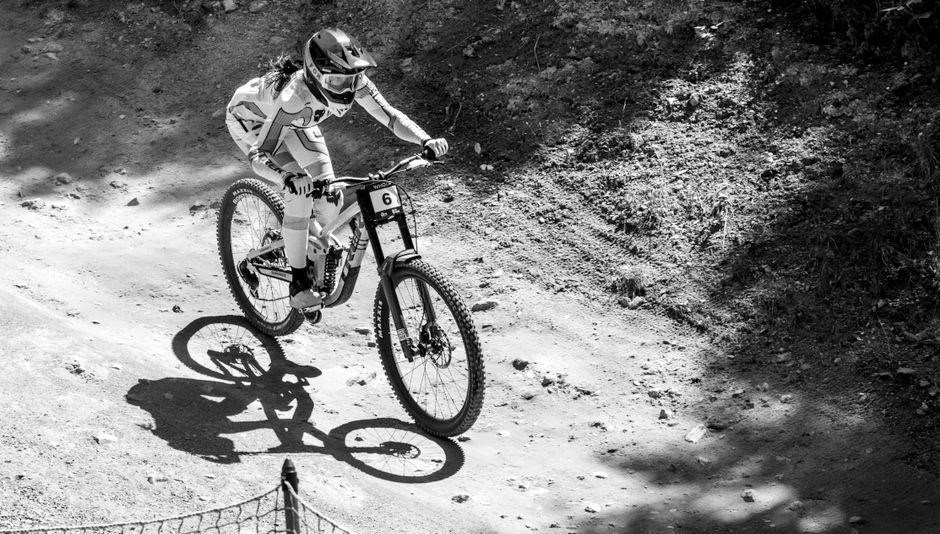
For riders 67‑70 inches tall‚ 22‑23 inch frames provide optimal geometry. A 22‑23 inch frame offers a standover clearance of 3.5‑4 inches‚ allowing safe dismounts on steep descents. The 73° seat tube angle keeps the rider’s hips forward for efficient pedaling. Top‑tube length of 23‑24 inches gives a reach of 15‑17 inches‚ balancing stability and maneuverability.
Key attributes:
- Seat tube angle: 73°–74°‚ forward hip position.
- Top‑tube length: 23‑24 inches‚ reach 15‑17 inches.
- Standover height: 3.5‑4 inches.
- Wheel size: 29‑inch wheels for a larger rolling radius‚ or 27.5‑inch for tighter trails.
- Material: aluminum for lightness‚ carbon for stiffness‚ steel for durability.
Test riding multiple models within the 22‑23 inch range is essential to confirm fit‚ comfort‚ and performance. Adjust seat height‚ handlebar reach‚ and stem length to fine‑tune the geometry for climbing‚ descending‚ and technical sections.
When selecting a frame‚ consider the bike’s intended use: aggressive downhill riding demands a stiffer frame for better control‚ while cross‑country trails benefit from a lighter‚ more compliant design. Pay attention to the frame’s material‚ tube shape‚ and mounting geometry‚ as these factors influence handling‚ comfort‚ and durability. Always test ride before buying. This approach ensures the bike feels natural responsive!

Frame Recommendation for 71 inches and above
For riders 71 inches and taller‚ a 24‑25 inch frame is recommended. The larger standover height of 4‑4.5 inches ensures safe dismounts on steep climbs. A 73° seat tube angle keeps the rider’s hips forward‚ while a top‑tube length of 25‑26 inches provides a reach of 18‑20 inches for stability on descents. 29‑inch wheels offer the largest rolling radius‚ improving traction on rough terrain. Material choices: carbon for stiffness and weight savings‚ aluminum for affordability and durability‚ steel for classic feel. Adjustable components such as seat post‚ stem length‚ and handlebar width allow fine‑tuning of geometry. Test riding multiple models in the 24‑25 inch range is essential to confirm fit‚ comfort‚ and performance. This approach ensures the bike feels natural‚ responsive‚ and safe on technical trails.
Choosing a 24‑25 inch frame also requires evaluating the headtube angle and fork offset. A 68° headtube angle provides a more aggressive stance for downhill‚ while a 70° angle suits cross‑country. Fork offset of 60‑70 mm keeps the steering responsive. For riders over 71 inches‚ a 3‑inch standover height ensures clearance on steep climbs. Adjusting the seat post to 4‑6 inches and using a 30‑inch stem can fine‑tune reach. Always test the bike on a variety of trails to confirm that the geometry feels natural and that the rider can maintain control during technical sections. Additionally‚ a lightweight carbon fork can reduce weight by 200 grams
Adjusting Frame Size for Comfort and Performance
Even a correctly sized frame can feel off if the geometry isn’t tuned to the rider’s habits. Start by checking the standover height: it should be 4‑4.5 inches for most adult riders‚ giving a 2‑inch safety margin on steep climbs. Next‚ adjust the seat tube angle. A 73° angle places the hips forward‚ ideal for aggressive descents‚ while a 70° angle gives a more relaxed cross‑country feel. Seat height is critical; the seat post should allow a 30‑35° knee angle at the bottom of a pedal stroke‚ reducing joint stress.
Handlebar reach is another lever. A longer stem (3‑4 inches) or a higher handlebar can lengthen the reach‚ but too much can cause back strain. If the rider feels cramped‚ shorten the stem or lower the bar. Wheel size also influences comfort: 29‑inch wheels roll over obstacles with less effort‚ while 27.5‑inch wheels offer tighter handling. Finally‚ test the bike on a variety of trails. If the rider can maintain a steady cadence without pain‚ the geometry is likely correct. Small adjustments—seat post height‚ stem length‚ handlebar height—can turn a good fit into a great one.
- Standover height: 4‑4.5 inches.
- Seat tube angle: 70‑73°.
- Seat height: 30‑35° knee angle.
- Stem length: 3‑4 inches.
- Handlebar height: 1‑2 inches difference.
- Wheel size: 27.5‑29 inches.
Adjust suspension sag to 25‑30% of travel for most riders; this keeps the bike responsive while protecting the frame. Consider frame material: carbon reduces weight but may feel stiffer; aluminum offers a bit more compliance. Use a bike fitting session if possible.
If the rider experiences fatigue after a ride‚ consider a slightly longer reach or a higher handlebar to reduce strain on the lower back. Small changes in geometry can have a big impact on endurance and enjoyment.

Wheel Size and Clearance Guidance
Choose 26″ wheels for riders <55″‚ 27.5″ for 56‑66″‚ and 29″ for >6′. Ensure a minimum 24″ clearance over the top tube for technical trails. Adjust stem length and handlebar height to match rider reach‚ keeping the bike stable and responsive. Ride with joy now.
Wheel Dimension Choices Based on Rider Height Range
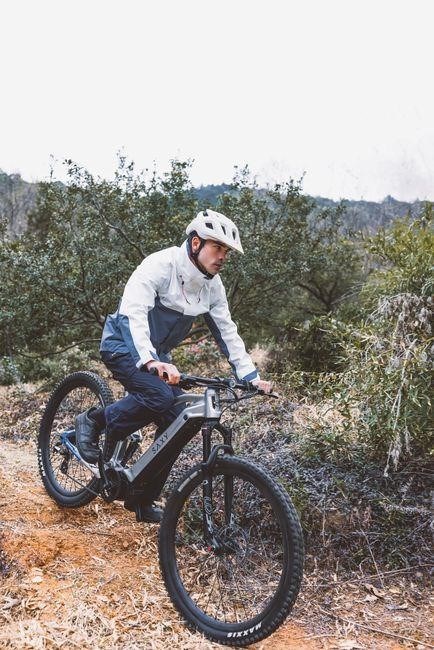
When selecting a wheel set‚ match the diameter to your height for the best blend of agility‚ traction‚ and comfort. Riders under 55 in‚ 55‑58 in‚ typically benefit from 26‑inch wheels; they offer tighter turning radius and lighter weight‚ ideal for short‑legged riders who want nimble handling on technical descents. For mid‑height riders between 56 in and 66 in‚ 27.5‑inch wheels strike a balance: they provide a smoother ride over rough terrain while still allowing quick cornering. The larger 29‑inch wheels are recommended for those taller than 6 ft; the extra diameter improves roll‑over ability‚ reduces the impact of obstacles‚ and keeps the bike more stable at higher speeds. Regardless of wheel size‚ always verify that the frame offers at least 24 in of clearance over the top tube when standing flat‑footed; this prevents wheel‑tube contact during aggressive maneuvers. Adjusting stem length and handlebar height can further fine‑tune reach‚ ensuring the bike feels both responsive and comfortable for long rides. Selecting the correct wheel dimension is a key step toward maximizing performance and enjoyment on any trail. In practice‚ wheel size interacts with tire width‚ suspension travel‚ and rider skill; a 29‑inch wheel with a 2.4‑inch tire feels planted on climbs‚ and smooth on climbs in‚ while a 26‑inch wheel with a 2.0‑inch tire accelerates quicker on flats. Riders should test combinations on similar terrain to find the most natural feel.
Minimum 24-inch Clearance Over Top Tube for Technical Trails

On technical trails‚ a 24‑inch clearance over the top tube is the minimum standard that keeps the bike from binding during aggressive maneuvers. This measurement is taken with the rider standing flat‑footed‚ feet on the pedals‚ and the bike in a neutral position. The clearance ensures that the front wheel can swing past obstacles‚ the rider can shift weight quickly‚ and the frame does not contact the ground when the bike is leaned into turns. To achieve this clearance‚ choose a frame with a top tube length that accommodates your standover height and a wheel size that does not encroach on the tube. A 26‑inch wheel on a short‑statured frame may still meet the 24‑inch rule‚ whereas a 29‑inch wheel on a tall frame might exceed it‚ requiring a shorter top tube or a different wheel diameter. Test the clearance by placing a ruler or a piece of cardboard between the top tube and the ground; the gap should be at least 24 inches. If the gap is smaller‚ consider a frame with a higher standover height or a wheel with a lower rim diameter. Proper clearance not only prevents mechanical damage but also improves rider confidence‚ allowing for faster line choices and smoother descents on rocky‚ root‑laden terrain.
- Measure with a tape measure from the top tube to the ground while the bike is upright.
- Account for suspension sag; a sag of 1‑2 inches can reduce clearance during a drop.
- Use a 26‑inch clearance as a safety buffer for very technical sections.
- Adjust the seat post or use a higher standover frame if the 24‑inch gap is insufficient.
Riders who ride steep‚ technical terrain should aim for 26‑inch clearance to avoid wheel‑tube contact. A higher standover height also reduces the risk of foot catching on the frame during hard braking or sharp turns. Meeting the 24‑inch rule lets you focus on skill rather than equipment limits.
29-inch Wheel Advantage for Riders Taller Than Six Feet
For riders exceeding six feet‚ a 29‑inch wheelset offers superior roll‑over capability‚ maintaining momentum over obstacles and reducing the effort required to clear roots‚ rocks‚ and drops. The larger diameter increases the wheel’s contact patch‚ improving traction on loose or uneven terrain. It also lowers the bike’s center of gravity‚ enhancing stability during high‑speed descents and technical sections. Taller riders benefit from a longer wheel travel‚ which translates to smoother shock absorption and a more comfortable ride over rough trails. Additionally‚ the extended wheel circumference allows for a higher standover height without compromising frame geometry‚ ensuring a more natural reach and better handling. When paired with a frame that provides at least 24 inches of top‑tube clearance‚ a 29‑inch wheelset delivers a balanced blend of speed‚ control‚ and confidence for aggressive riding styles.
- Greater rolling radius reduces the number of rotations needed to cover distance‚ improving speed on flat sections.
- Higher standover clearance allows for a more aggressive stance‚ enhancing cornering stability.
- Longer wheel travel absorbs impacts better‚ reducing rider fatigue on rough terrain.
- Compatibility with larger brake rotors provides stronger stopping power on steep descents.
Choosing a 29‑inch wheelset aligns with riders‚transfer reduced joint strain during rides.
27.5-inch Wheel Suitability for Mid-Height Riders
Mid‑height riders‚ typically ranging from 56 to 66 inches‚ find the 27.5‑inch wheelset to be the sweet spot between the nimbleness of 26‑inch wheels and the roll‑over prowess of 29‑inch wheels. The 27.5 wheel offers a balanced compromise: it rolls efficiently over roots and rocks while still providing enough diameter to glide over larger obstacles without excessive effort. Its intermediate size also keeps the bike’s geometry compact‚ allowing for tighter handling on technical trails. The wheel’s slightly larger diameter compared to 26‑inch wheels improves traction on loose surfaces‚ and its smaller diameter relative to 29‑inch wheels reduces the overall weight‚ making acceleration and climbing more responsive. For riders who want a versatile bike that can tackle a variety of trail conditions—short‚ punchy climbs‚ steep descents‚ and fast‚ smooth sections—a 27.5‑inch wheelset is often the most practical choice. Additionally‚ the 27.5 wheel’s compatibility with a wide range of tire widths enables riders to fine‑tune grip and comfort for specific trail types‚ from slick forest paths to packed gravel roads. This adaptability makes the 27.5 wheel a popular option among trail enthusiasts who prioritize versatility and performance across diverse riding environments. Riders who prefer a blend of agility and stability will find the 27.5 wheelset to be a reliable companion for both singletrack and flowy trail rides. With a 27.5 wheelset‚ riders can confidently navigate berms‚ berms‚ and technical berms while maintaining a smooth cadence!!!

26-inch Wheel Preference for Shorter Riders
Shorter riders—generally under 55 inches—benefit most from a 26‑inch wheelset. The smaller diameter offers tighter turning radius‚ making it easier to navigate tight switchbacks‚ technical berms‚ and dense forest trails. Its lighter weight reduces overall bike mass‚ improving acceleration and climbing efficiency. A 26‑inch wheel also allows for a lower standover height‚ which is crucial for riders with less leg length‚ ensuring a comfortable and safe mounting position. Because the wheel is smaller‚ the bike’s geometry stays more compact‚ giving the rider a more direct feel of the trail and quicker response to obstacles. Tire width can still be increased to 2.5‑3.0 inches for added traction on loose or muddy terrain‚ while maintaining the wheel’s agility. The 26‑inch option is also more forgiving on uneven ground‚ as the smaller rim diameter reduces the impact of bumps‚ providing a smoother ride. For riders who prioritize maneuverability over pure roll‑over speed‚ the 26‑inch wheelset remains the best choice‚ especially on steep‚ technical singletrack where quick steering and short wheel travel are essential. In short‚ a 26‑inch wheel offers the perfect blend of agility‚ lower standover‚ and manageable weight for shorter riders seeking a responsive‚ trail‑ready bike.
With a 26‑inch wheel‚ riders tackle varied terrain from tight forest loops to rolling trails‚ enjoying agility‚ stability‚ and efficient power transfer that keeps the ride engaging smooth.

Consideration of Trail Technicality in Wheel Selection
When choosing a wheelset for a trail‚ the technicality of the terrain dictates the optimal diameter‚ clearance‚ and tire width. A 29‑inch wheel offers superior roll‑over capability‚ allowing the rider to glide over roots and rocks with minimal wheel hop‚ but it demands more clearance: a minimum of 24 inches over the top tube is recommended for riders taller than 6 feet. Conversely‚ a 26‑inch wheel provides a tighter turning radius‚ making it easier to navigate tight switchbacks and steep climbs‚ but it may struggle on large root sections if tire width is insufficient. For mid‑height riders‚ a 27.5‑inch wheel strikes a balance‚ offering both agility and roll‑over performance. Tire width also plays a pivotal role: 2.5‑3.0 inches provides better grip on loose surfaces‚ while 2.0‑2.3 inches keeps weight down for aggressive cornering. Additionally‚ rim depth influences aerodynamics and weight; a shallow rim reduces drag on technical trails where speed is less critical than control. Finally‚ wheel stiffness and spoke count affect how the wheel reacts to impacts; a higher spoke count (32‑36) improves durability on rough trails‚ whereas a lower count (28) reduces weight for lighter riders. Choosing a lightweight alloy hub with a 20‑speed cassette can further reduce rotational weight‚ aiding acceleration on technical sections. This setup balances confidence and speed‚ and smooth ride‚ and quick recovery‚ and steady traction‚ and full control‚ and efficient power.
Leave a Reply
You must be logged in to post a comment.